Why an leading Aluminum Casting Company makes all the difference
The Relevance of Aluminum Casting in High-Quality Manufacturing Techniques
Light weight aluminum casting has become a keystone in high-quality manufacturing methods. Its lightweight residential properties and phenomenal stamina make it a favored option for different industries. Suppliers gain from its design adaptability and very little waste generation. As the demand for innovative products grows, recognizing the nuances of aluminum spreading becomes essential. This expedition exposes not just its advantages but additionally the developing modern technologies that form its future in manufacturing. What lies ahead for this ingenious process?
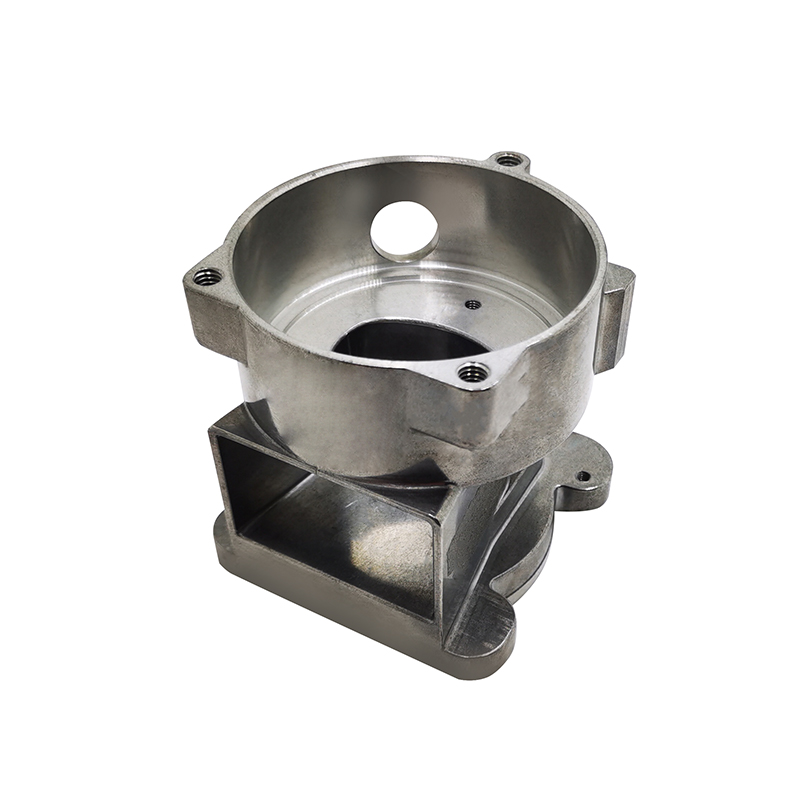
The Benefits of Aluminum Casting
Numerous casting techniques exist, aluminum spreading stands out due to its many advantages. Among the key advantages is its lightweight nature, which considerably lowers transport costs and energy consumption in applications. Light weight aluminum likewise shows exceptional corrosion resistance, making it ideal for durable elements in diverse environments. The spreading procedure permits complex styles, enabling suppliers to produce intricate shapes with high precision and marginal waste. Additionally, light weight aluminum has superior thermal and electrical conductivity, making it ideal for a range of commercial applications. The high strength-to-weight ratio improves the architectural integrity of cast items, giving toughness without the included mass. Aluminum casting can be adjusted to numerous techniques, such as sand spreading or pass away casting, which broadens its applicability throughout industries. On the whole, these advantages setting light weight aluminum casting as a recommended choice in modern-day manufacturing, adding to efficiency and sustainability.
Trick Applications of Aluminum Spreading
Light weight aluminum spreading locates substantial applications throughout various industries due to its beneficial residential or commercial properties. In the automobile market, it is extensively made use of for making engine blocks, transmission instances, and wheels, advertising light-weight layouts that boost gas performance. The aerospace sector additionally profits from light weight aluminum spreading, where parts such as braces and housings are created to satisfy rigid weight and stamina demands.
Additionally, the electrical sector uses light weight aluminum spreading for creating real estates and warmth sinks, which are essential for efficient thermal management in digital tools. Aluminum Casting Company. The building and construction sector uses light weight aluminum castings for architectural aspects, home window frameworks, and components, contributing to both aesthetic appeals and sturdiness
Last but not least, the consumer items sector includes light weight aluminum casting in things like pots and pans and sporting tools, leveraging the material's toughness and deterioration resistance. On the whole, the adaptability of aluminum spreading makes it an essential procedure in conference varied production requires throughout several fields.
The Process of Aluminum Casting
Casting light weight aluminum involves several distinct actions that change raw materials into finished components. The process starts with melting aluminum in a heater, getting to temperature levels around 660 levels Celsius. When melted, the fluid light weight aluminum is put right into a mold and mildew, which takes the shape of the preferred element. Numerous mold types, including sand, long-term, and financial investment molds, are utilized relying on the application.
After putting, the aluminum strengthens and cools down, developing a harsh casting. This spreading undertakes a series of completing procedures, such as machining, to accomplish accurate measurements and surface area top quality. Quality assurance procedures are implemented throughout to guarantee the honesty and toughness of the end product. As soon as all procedures are full, the completed aluminum elements await various applications, showcasing the adaptability and performance of light weight aluminum spreading in manufacturing techniques. Each action is vital in attaining premium results, making this procedure crucial in making sectors.
Developments in Aluminum Spreading Modern Technology
Recent advancements in light weight aluminum spreading modern technology have actually changed production procedures substantially. Developments such as sophisticated casting approaches, combination of smart manufacturing, and sustainability methods are improving the market. These advancements not just improve performance but additionally address environmental problems, leading the method for a much more sustainable future in light weight aluminum casting.
Advanced Casting Techniques
As manufacturers look for better effectiveness and sustainability in manufacturing, innovative improvements in light weight aluminum spreading modern technology have arised to meet these needs. Advanced casting techniques, such as die casting, financial investment spreading, and sand casting, have actually been refined to boost precision and minimize waste. Die spreading permits for faster manufacturing prices and tighter tolerances, making it perfect for high-volume things. Investment casting, known for its capability to create complicated geometries, enables detailed styles with superior surface area coatings. Sand casting stays popular for its convenience and cost-effectiveness, especially in low-volume applications. These methods not only improve the top quality of light weight aluminum elements but additionally contribute to minimized energy usage, lining up with industry goals for lasting techniques in manufacturing procedures.
Smart Manufacturing Combination
How can smart production integration change light weight aluminum spreading read the article technology? By incorporating advanced modern technologies such as the Internet of Things (IoT), artificial intelligence (AI), and information analytics, clever manufacturing improves effectiveness and accuracy in aluminum casting procedures. Real-time tracking of tools and manufacturing lines permits instant changes, minimizing waste and downtime. Anticipating maintenance powered by AI minimizes devices failures, making sure constant high quality. In addition, information analytics can maximize casting criteria and layouts, bring about much better product use and lowered cycle times. These advancements help with smooth communication in between equipments and operators, cultivating a much more agile production atmosphere. Generally, clever production integration markedly raises the capabilities of aluminum spreading, promoting better results and more responsive manufacturing techniques.
Sustainability Developments
While the aluminum spreading market faces enhancing stress to take on lasting practices, innovations are arising that noticeably minimize its environmental effect. Advanced reusing strategies currently enable suppliers to make use of as much as 95% recycled aluminum, substantially decreasing power usage and waste generation. On top of that, the integration of low-emission modern technologies, such as electrical melting furnaces, decreases greenhouse gas exhausts connected with traditional casting approaches. Additionally, the advancement of environmentally friendly layers and binders replaces dangerous chemicals, enhancing work environment safety and security and reducing environmental air pollution. These innovations not only line up with international sustainability goals but likewise boost the overall effectiveness and high quality of light weight aluminum products. As the market advances, these advancements will play a necessary function in promoting a much more lasting future for aluminum spreading.
Contrasting Light Weight Aluminum Casting With Various Other Approaches
In comparing aluminum casting with other manufacturing techniques, a number of essential variables emerge. Cost effectiveness, longevity and toughness, and style versatility act as key metrics for evaluation (aluminum casting). Evaluating these aspects can offer insights right into the benefits and limitations of aluminum spreading in different production contexts
Cost Performance Evaluation
Cost efficiency continues to be a paramount consideration in manufacturing procedures, especially when assessing light weight aluminum spreading against different techniques. Aluminum spreading frequently presents a reduced preliminary investment contrasted to techniques such as steel building or machining, which need more pricey and sophisticated equipment. In addition, aluminum's light-weight nature can decrease transportation expenses and energy usage during manufacturing. The ability to produce complex forms with minimal waste additionally enhances its cost-effectiveness, as less product is disposed of throughout the manufacturing procedure. Aluminum casting normally allows for quicker production cycles, leading to minimized labor costs and faster turnaround times. To summarize, when contrasting cost effectiveness, light weight aluminum spreading frequently becomes a desirable option, providing suppliers monetary advantages alongside high-grade output.
Stamina and Toughness
Strength Aluminum Foundry and resilience are essential factors when assessing production techniques, especially in the context of light weight aluminum spreading. Contrasted to various other methods such as plastic injection molding and steel fabrication, aluminum casting provides unique benefits. The intrinsic homes of light weight aluminum, integrated with the spreading process, lead to lightweight yet robust elements that can stand up to considerable anxiety and ecological aspects. Unlike plastics, which may break down with time, light weight aluminum keeps its integrity and performance under high temperatures and pressures. Furthermore, while steel components can be much heavier and susceptible to rust, aluminum resists rusting, enhancing longevity. This combination of toughness and longevity makes light weight aluminum casting a favored option for industries requiring dependable performance sought after applications, such as vehicle and aerospace industries.
Design Adaptability Contrast

The Future of Light Weight Aluminum Spreading in Manufacturing
Just how will improvements in technology form the future of light weight aluminum casting in production? The integration of automation and man-made knowledge is expected to change aluminum casting procedures. These technologies can improve accuracy and efficiency, lowering waste and production expenses. In addition, the emergence of 3D printing strategies allows for fast prototyping and tailored designs, allowing suppliers to respond quickly to market needs.
Sustainability is also a vital emphasis, with advancements targeted at decreasing energy usage and decreasing ecological impact. Techniques such as die casting and investment spreading are advancing to include recycled aluminum, promoting a circular economy.
Developments in materials science may lead to the growth of lighter, more powerful light weight aluminum alloys that can expand the applications of find more info light weight aluminum casting across various industries. Overall, the future of aluminum spreading in production will likely be defined by boosted effectiveness, sustainability, and versatility, positioning it as a vital component of modern-day manufacturing methods.
Frequently Asked Questions
Just How Does Light Weight Aluminum Casting Impact Environmental Sustainability?
Light weight aluminum casting positively influences environmental sustainability by advertising recycling, lowering power usage compared to various other metals, and minimizing waste. Its light-weight homes also bring about reduce exhausts throughout transportation, sustaining greener practices in numerous industries.
What Are the Price Ramifications of Light Weight Aluminum Casting?
Light weight aluminum casting often involves higher preliminary costs because of product and processing expenditures. Its longevity and lightweight buildings can produce long-lasting cost savings by lowering maintenance and transportation expenses, inevitably balancing the monetary ramifications for suppliers.
Can Aluminum Casting Be Recycled Properly?
Aluminum casting can be reused properly, as the material keeps its buildings throughout the reusing process. This allows for the production of top notch parts while minimizing waste and decreasing energy intake linked with new aluminum production.
What Precaution Are Needed During Aluminum Casting?
Precaution during aluminum casting consist of making use of individual safety tools like goggles and gloves, making sure appropriate ventilation, preserving equipment, and following protocols for handling liquified steel to avoid burns, breathing dangers, and other potential crashes.

Exactly How Does Light Weight Aluminum Casting Affect Product Style Adaptability?
Light weight aluminum spreading boosts item style versatility by allowing lightweight frameworks and detailed forms. This strategy enables designers to explore innovative configurations, resulting in functional applications throughout different markets while maintaining strength and resilience in the final items.
Light weight aluminum casting can be adapted to numerous strategies, such as sand casting or die casting, which widens its applicability across industries. Once all procedures are total, the finished light weight aluminum parts are prepared for various applications, showcasing the versatility and performance of light weight aluminum casting in manufacturing methods. As makers seek greater performance and sustainability in manufacturing, innovative advancements in light weight aluminum casting modern technology have actually emerged to fulfill these needs. Unlike plastic shot molding, which may call for substantial tooling modifications for layout modifications, light weight aluminum casting can suit adjustments more conveniently during the manufacturing cycle. Advancements in products science might lead to the development of lighter, more powerful aluminum alloys that can broaden the applications of aluminum casting throughout various sectors.